In a swirling chain of events on Thursday, Netflix Inc. decided against meeting what has been determined as a superior bid to buy Warner Bros. Discovery Inc. (WBD) by Paramount Skydance Corp. (PSKY), which now appears to be in the driver’s seat.
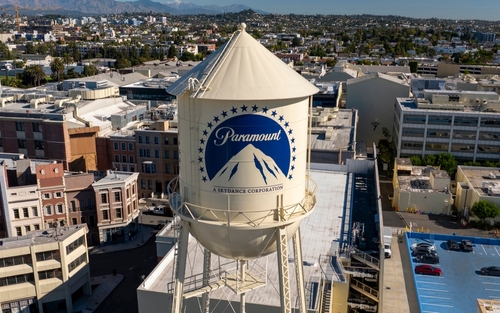
“We are pleased WBD’s Board has unanimously affirmed the superior value of our offer, which delivers to WBD shareholders superior value, certainty and speed to closing,” said Paramount Chairman and CEO David Ellison in a statement.
WBD confirmed that the WBD Board of Directors has determined that Paramount’s $31-per-share, all-cash proposal to acquire WBD is a “Company Superior Proposal” under the terms of WBD’s merger agreement with Netflix, which responded that it will not raise its offer for WBD.
Because WBD had informed Netflix that it considered the PSKY proposal a “Company Superior Proposal,” Netflix had four business days to submit revised terms that would negate that designation. After that period, if the WBD Board had determined in good faith that the PSKY offer remained superior, WBD could have terminated the Netflix merger agreement.
But Netflix co-CEOs Ted Sarandos and Greg Peters acknowledged in their own statement that the deal is no longer financially attractive and declined to match the PSKY bid.
“The transaction we negotiated would have created shareholder value with a clear path to regulatory approval,” the Netflix execs said. “We believe we would have been strong stewards of Warner Bros.’ iconic brands, and that our deal would have strengthened the entertainment industry and preserved and created more production jobs in the U.S.
“But this transaction was always a ‘nice to have’ at the right price, not a ‘must have’ at any price,” they added.
Paramount’s better bid
Now that Netflix has dropped its bid, the Paramount/WBD proposal still requires approval from the U.S. Department of Justice, European regulators, and shareholders, with potential challenges from state attorneys general like California’s.
And while a favorable U.S. administration makes approval likely, the deal does face antitrust concerns, though activist investor Ancora Holdings Group LLC, a WBD shareholder, thinks the PSKY proposal will sail past any hurdles.
“The antitrust implications of this [Netflix/WBD] deal look severe,” Jim Chadwick, president of Ancora subsidiary Ancora Alternatives LLC, said during a Feb. 11 CNBC interview. “The regulatory side — Paramount has a much easier pathway to approval and obviously a much better relationship with the current administration.”
Ancora — a nearly $11 billion firm with an approximately $200 million economic interest in WBD — earlier this month threatened a proxy fight if the WBD Board didn’t seriously consider the better, all-cash offer from Paramount.
Under the terms of Paramount’s proposed merger agreement, it would acquire WBD for $31 per WBD share in cash for 100 percent of the company, with a daily “ticking fee” of 25 cents per quarter accruing after Sept. 30 until consummation of the PSKY transaction.
Paramount also would pay a regulatory termination fee of $7 billion in the event the transaction does not close due to regulatory matters, as well as the $2.8 billion termination fee that WBD is required to pay to Netflix to terminate its existing Netflix merger agreement.
Additionally, Paramount would eliminate WBD’s potential $1.5 billion financing cost associated with its debt exchange offer, and the Ellison Trust would provide a $45.7 billion equity commitment.
Larry Ellison is guaranteeing the commitment, including an obligation to contribute additional equity funding to Paramount to the extent needed to support the solvency certificate required by Paramount’s lending banks.
Bank of America Merrill Lynch, Citi and Apollo also are providing a $57.5 billion debt commitment, according to PSKY.
The entry into Paramount’s proposed transaction now requires execution of a definitive merger agreement between Paramount and WBD since Netflix has responded to the four business day match period and terminated its merger agreement.