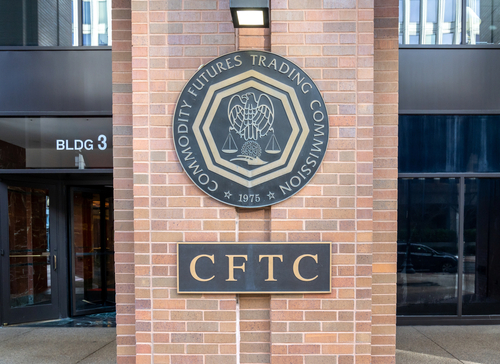
The Commodity Futures Trading Commission (CFTC) filed lawsuits on Thursday challenging the actions Arizona, Connecticut, and Illinois have taken against CFTC-registered designated contract markets.
Some states have attempted to outlaw, regulate or restrain the activities of designated contract markets that facilitate trading in lawful event contracts. Under the Commodity Exchange Act, the CFTC has exclusive jurisdiction to regulate event contracts, and Congress decided following the 2008 financial crisis that a national framework for commodity derivatives markets was preferable to a patchwork of state regulations.
“The CFTC will continue to safeguard its exclusive regulatory authority over these markets and defend market participants against overzealous state regulators,” CFTC Chairman Michael Selig said. “This is not the first time states have tried to impose inconsistent and contrary obligations on market participants, but Congress specifically rejected such a fragmented patchwork of state regulations because it resulted in poorer consumer protection and increased risk of fraud and manipulation.”
In addition, the CFTC has issued an Advanced Notice of Proposed Rulemaking to help identify areas of confusion regarding the Commodity Exchange Act and the CFTC’s regulations to prediction markets.
The act was designed to allow for new and emerging use cases within CFTC-regulated markets caused by innovation in the financial markets.