Members of the National Association of Insurance Commissioners (NAIC) met with U.S. Treasury Secretary Scott Bessent last week to discuss the intersection of private credit and insurance.
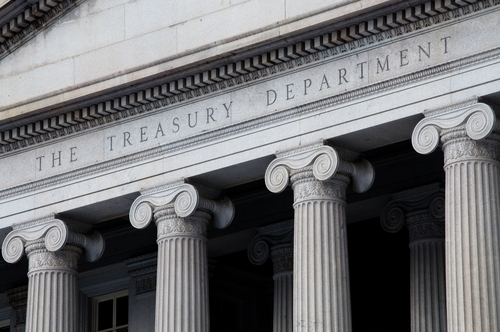
State insurance regulators have long taken concrete steps to keep pace with insurers’ increased exposure to private credit and other market developments. Last weekʻs meeting provided a forum to highlight how their collaboration and coordination advances this work.
“As markets rapidly evolve, the U.S. state-based system of insurance regulation continues to lead,” Rhode Island Department of Business Regulation Director and NAIC President-Elect Elizabeth Dwyer said. “We appreciated the opportunity to meet with Secretary Bessent and share how state insurance regulators are leveraging effective oversight and enhancing risk-mitigation frameworks to promote stable markets and deliver strong outcomes for consumers.”
“This Administration is a strong supporter of the state-based system of insurance regulation and supervision, and I appreciate the work that each of you do every day in your states to protect American consumers. Like all of you, my team at Treasury is monitoring the transformation of the U.S. life insurance industry and trends in private credit. I look forward to our continued engagement as we monitor the developments in both markets,” said U.S. Treasury Secretary Scott Bessent in reference to state insurance regulators and their work.
They also provided Bessent with insight into state insurance regulators’ oversight of insurers’ risk management and investment practices.
Bessent emphasized the need for fit-for-purpose regulation that encourages innovation while appropriately managing risk. Treasury and the state insurance commissioners agreed to continue staff- and senior-level engagement on topics including the NAIC’s work on risk-based capital, private letter ratings, offshore reinsurance jurisdictions, and the oversight of evolving business models.